From our sites
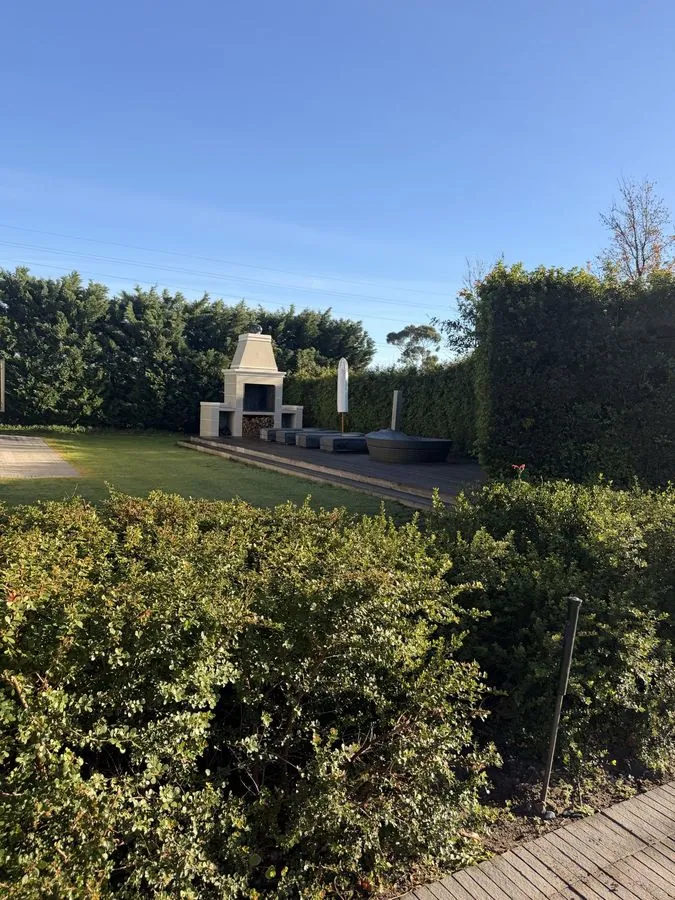
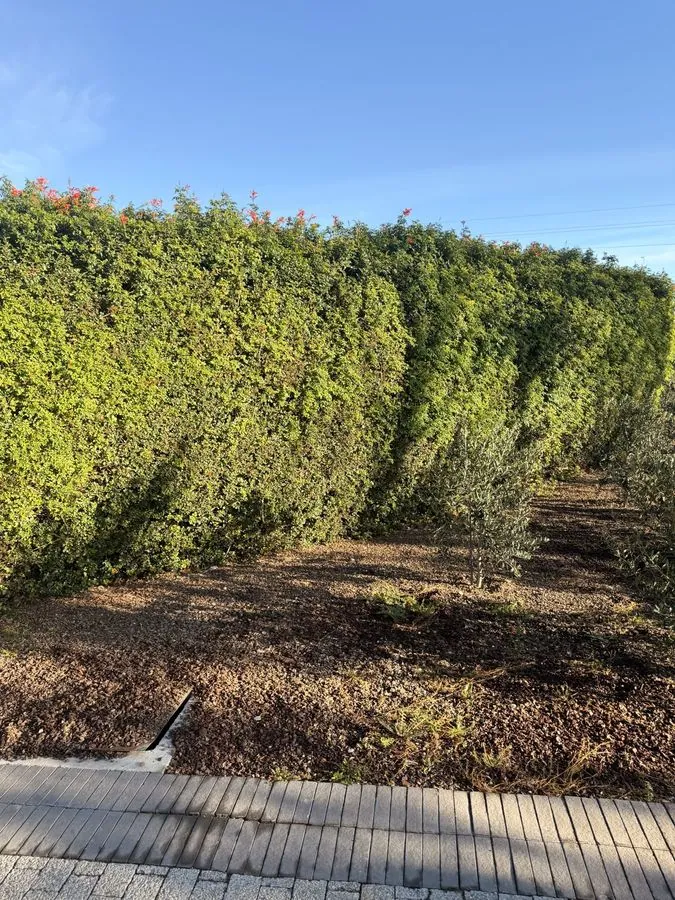
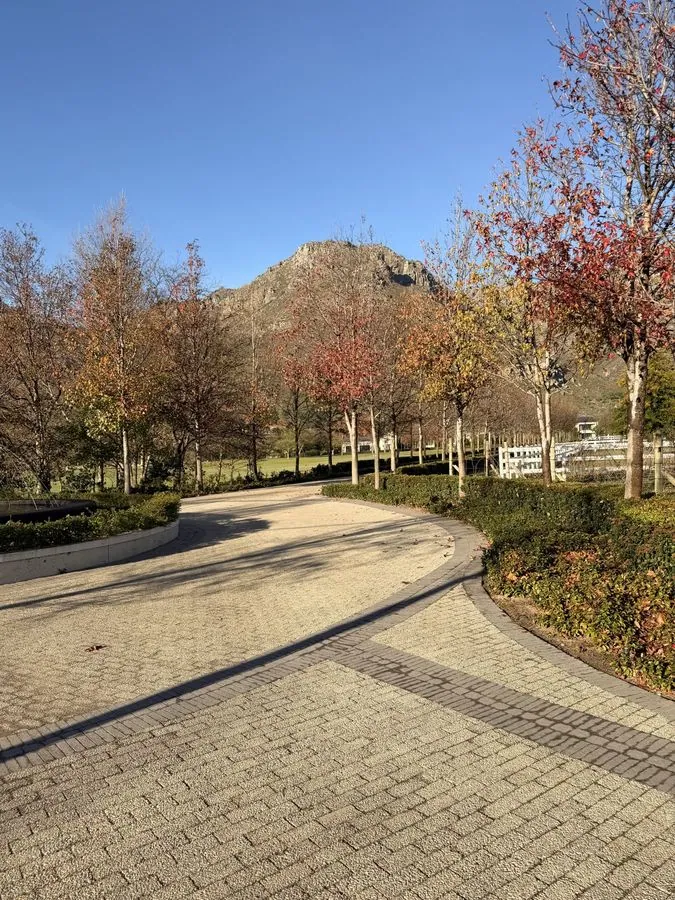
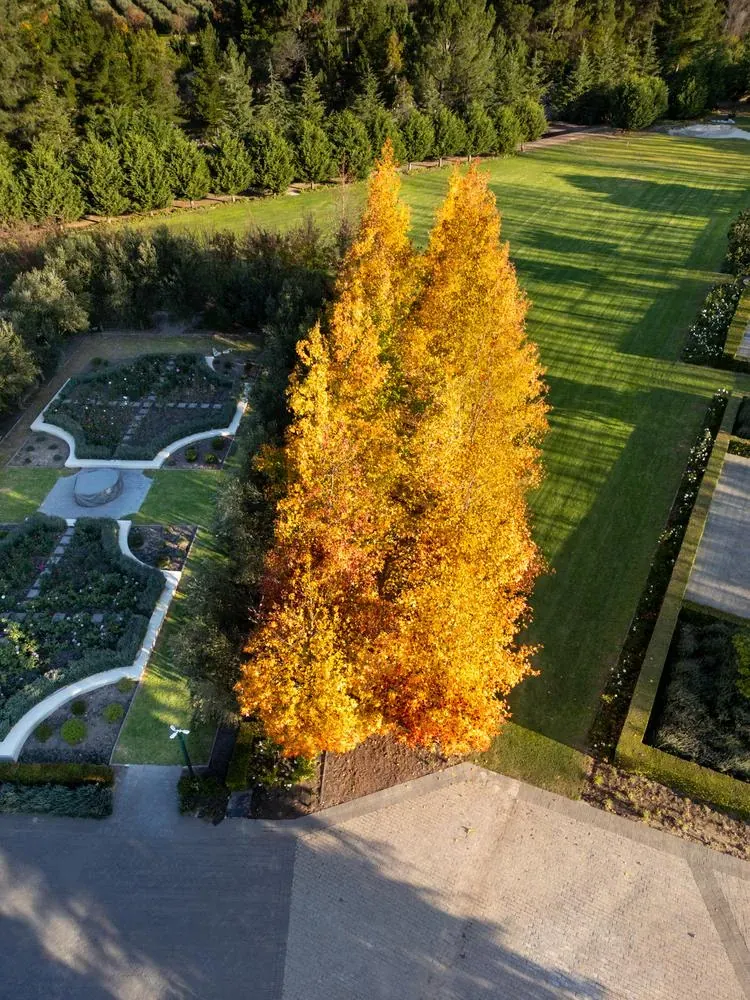
The design continued
Ongoing care ensuring each project remains healthy, functional and visually refined over time. Maintenance is not what happens after the design. It is the design continuing, and a landscape that is not maintained to its intent is not the landscape you paid for.
A garden is the only thing you commission that is unfinished on the day it is handed over. A building is at its best on completion and declines from there. A landscape is at its least resolved on completion and improves for years — but only if the intent behind it survives contact with whoever holds the secateurs.
This is why we write the maintenance regime during design rather than after handover. The person pruning needs to know whether a shrub was planted to be a soft mass or a clipped form, whether a grass is cut back in July or left standing for its winter structure, and which plants are meant to spread and which are meant to be held. Without that, a well-designed scheme is systematically converted into a collection of round green objects.
The three most common ways a good landscape is lost:
None of these are dramatic. All of them are cumulative.
Every maintenance contract runs against a specification: what is done, at what frequency, in which month, and to what standard. It names the plants and states how each is to be treated. It is a document you can hold us to.
Our maintenance runs under qualified horticultural supervision. The distinction matters: a tidying service removes what has grown; horticultural maintenance manages how a plant grows. Feeding is based on what the soil and plant need, pruning is timed to the species, and problems are diagnosed rather than sprayed at.
We start with cultural controls — correct spacing, correct watering, healthy soil, resistant species — because most pest problems in Cape gardens are secondary to a stress the plant is already under. Where intervention is needed we use the least aggressive effective option and record what was applied and why. Blanket spraying is not a maintenance strategy.
The first period after planting is not routine maintenance. Watering is more frequent and more closely watched, weed competition is high, and the losses that are going to happen mostly happen then. We treat establishment as its own regime, stepping down to a normal cycle once the planting has closed.
Maintenance begins at practical completion, and for projects we have built it continues under the same contract and the same team. Plant establishment guarantees are conditional on maintenance being carried out as specified, so at minimum we prefer to hold the establishment period.
We also take on gardens we did not build. Those start with an assessment: what is there, what condition it is in, what the irrigation is actually doing, and what a realistic regime looks like. We would rather give you an honest picture at the start than inherit somebody else’s decline silently.
It is quoted against the written specification, which is why the figure varies so much between properties of similar size. A clipped, formal garden with lawn costs several times what an established indigenous scheme costs to hold to standard. We will tell you at design stage what the garden we are proposing will cost to run — that is a legitimate input to the design decision, and clients should ask for it.
Yes, following an assessment. We will be direct about what can be recovered and what cannot.
Often the best arrangement. We provide supervision, training and the technical work — irrigation, pruning to intent, soil and plant health — while your staff carry the routine. It costs less and builds capacity on the property.
Within the establishment period, and where we have also maintained and irrigated the garden as specified, we replace it. Beyond that period, or where the cause sits outside our control, we assess and quote. We would rather explain why something failed than quietly swap it out and leave the cause in place.
Usually. An established scheme needs less intervention than a young one, and a well-designed scheme needs less than a poorly designed one. We would rather adjust the frequency than have you cancel the contract and lose the garden.
From our sites
Start a project