From our sites
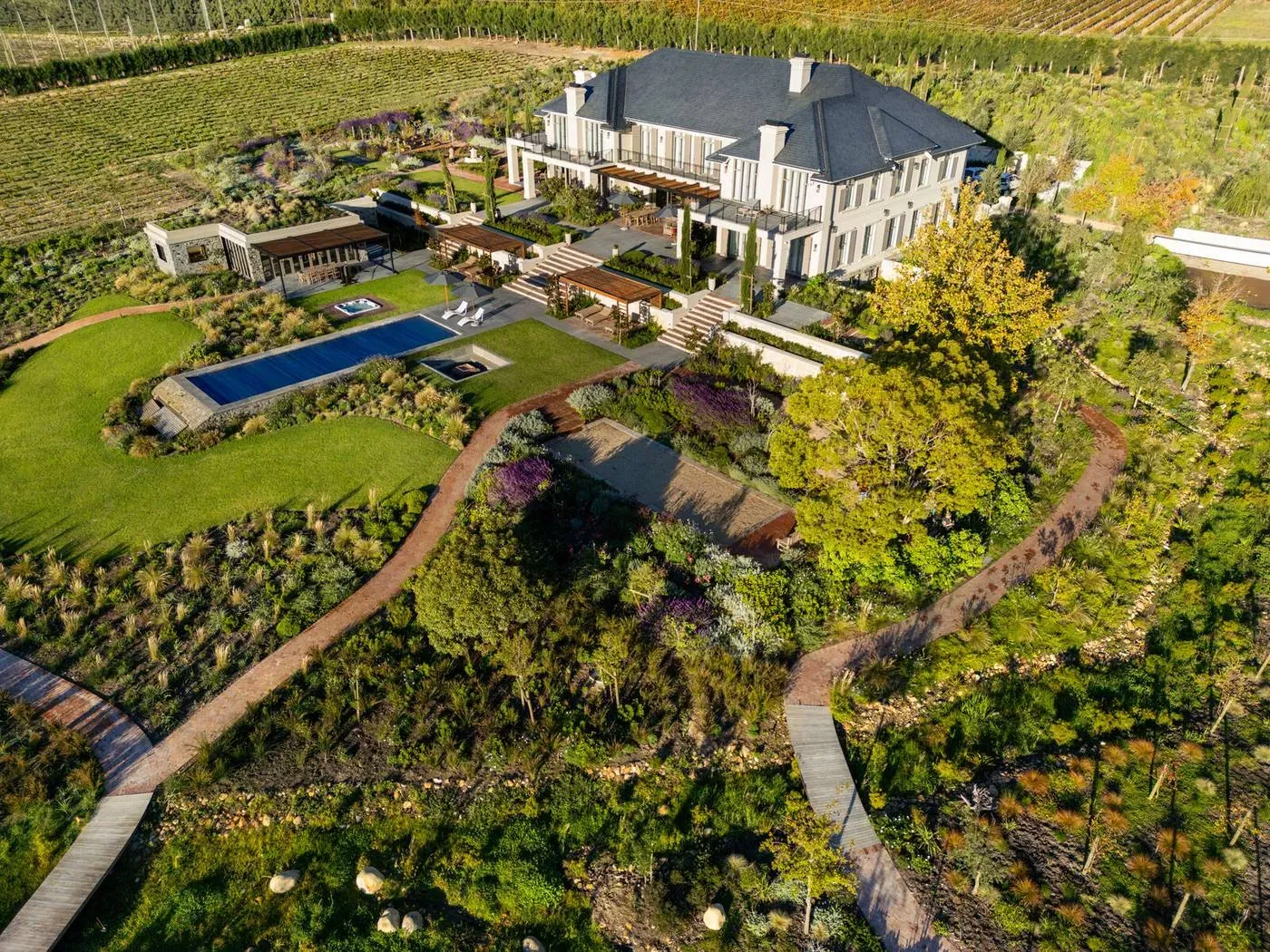
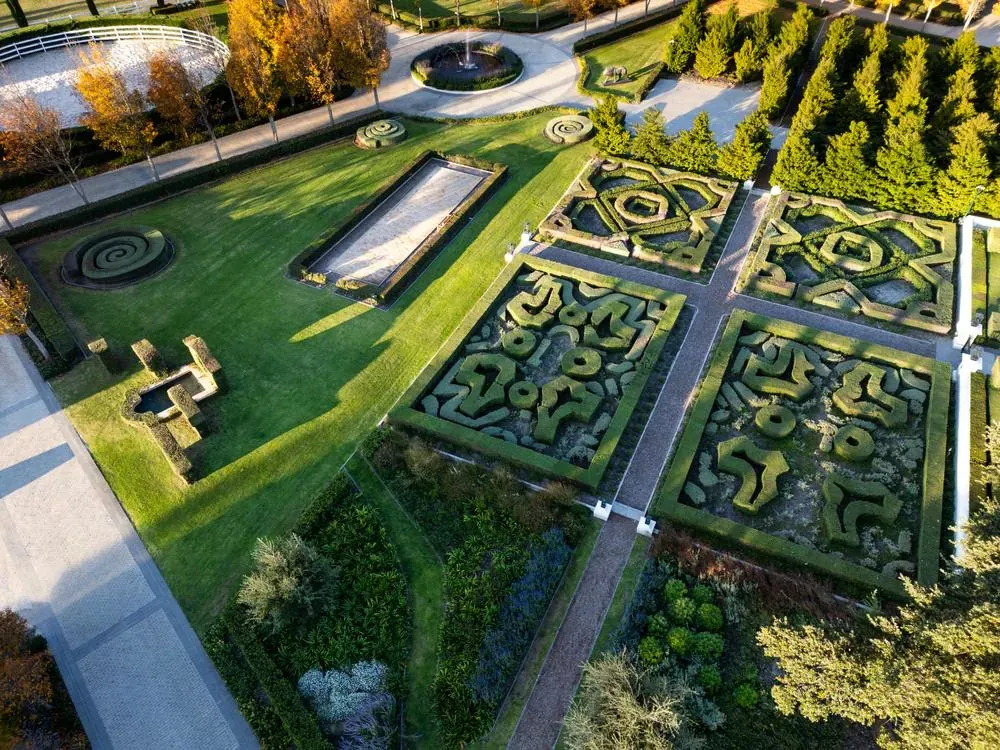
Concepts developed from the site outward
We develop tailored landscape concepts that respond to the site, the architecture and the client's way of living. Design is where the money is either well spent or quietly wasted, so it is where we spend the most disciplined part of our time.
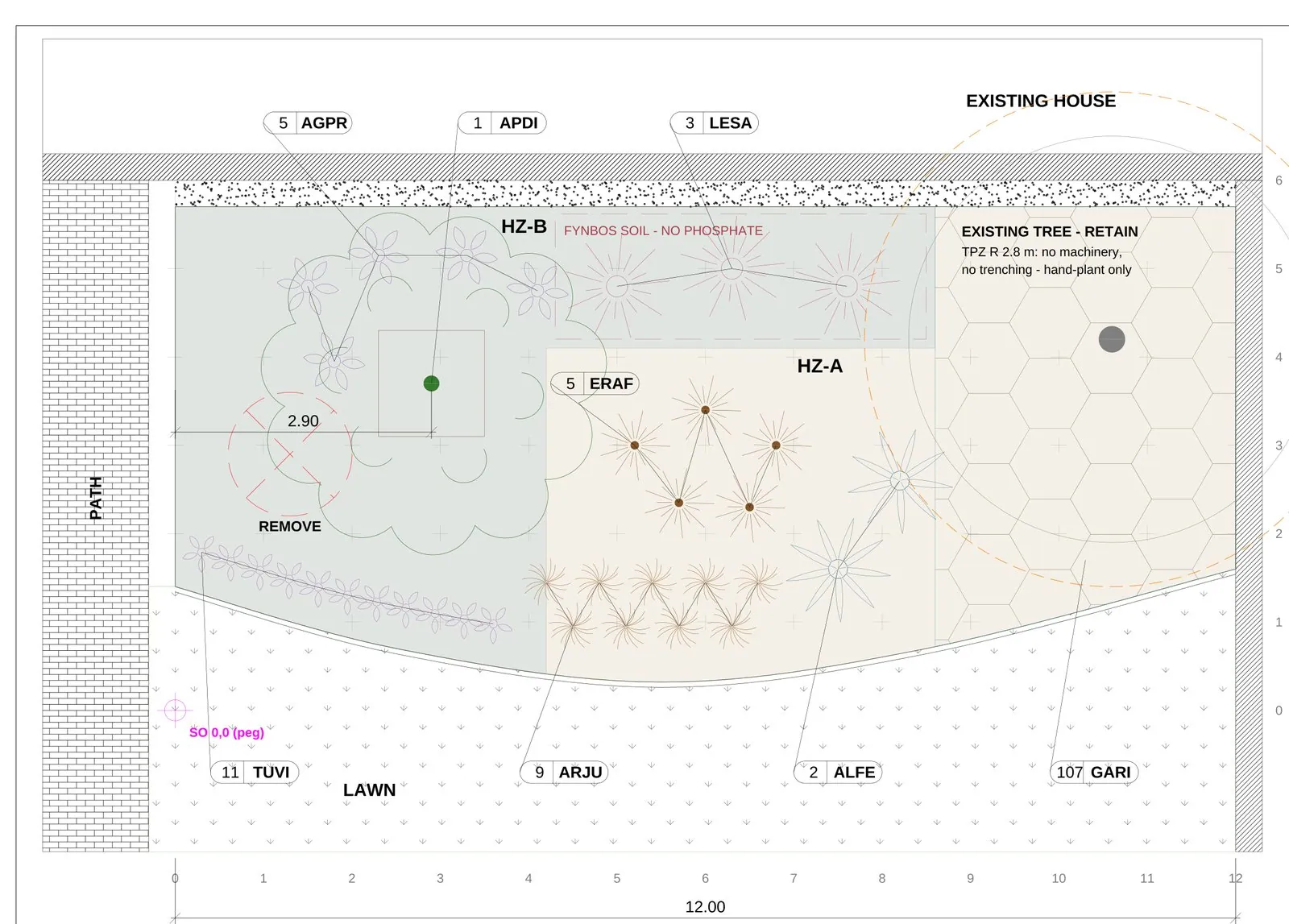
Landscape design is deciding what should happen on a piece of ground, then describing it precisely enough that it can be built without improvisation.
It covers the layout of space, levels and drainage, circulation, hard surfaces and structures, planting, irrigation, lighting and the sequence in which all of it is delivered. It ends in drawings and specifications — not a mood board.
This is not gardening. It is lifestyle infrastructure and environmental design, and it should be treated with the same rigour as the building it sits against.
Before anything is drawn we establish what the site is actually doing: where the sun falls in January and in July, where the wind comes from and what it does to a terrace, how water moves and where it collects, what the soil is, what services are buried, which trees are worth keeping and which are liabilities.
Much of a design’s value comes from this stage, and it is the one most often skipped. A layout that ignores the prevailing wind produces an outdoor room nobody uses.
A landscape that does not acknowledge the building reads as a separate project. We take geometry, proportion and material cues from the architecture, and we would rather join the conversation early — while a building is still on the drawing board — than resolve a level clash after the slabs are cast.
Levels are the most expensive thing to change and the least visible thing to get right. Steps, thresholds, falls, retaining, drainage and access all sit on this one decision set, and we fix it first.
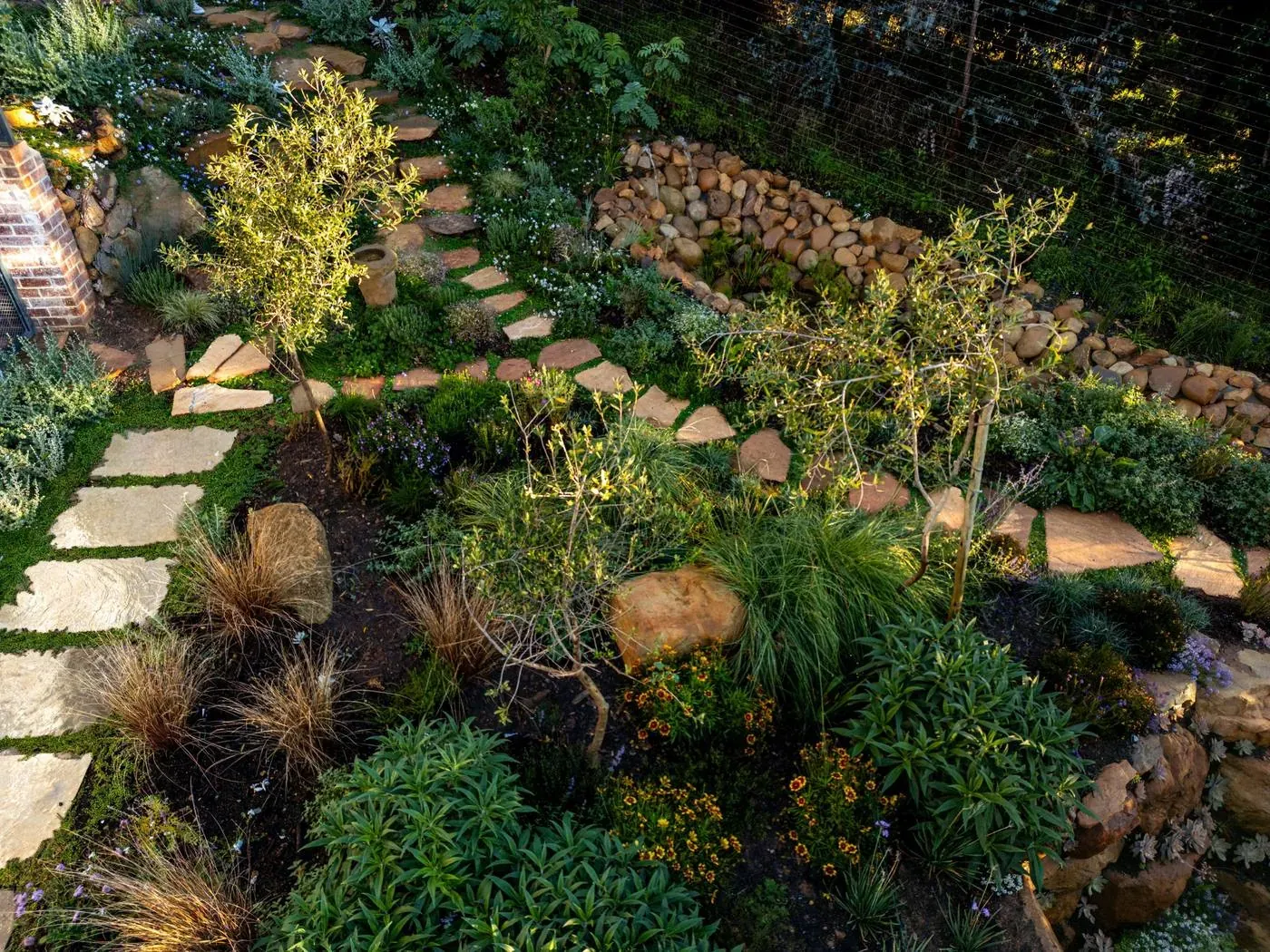
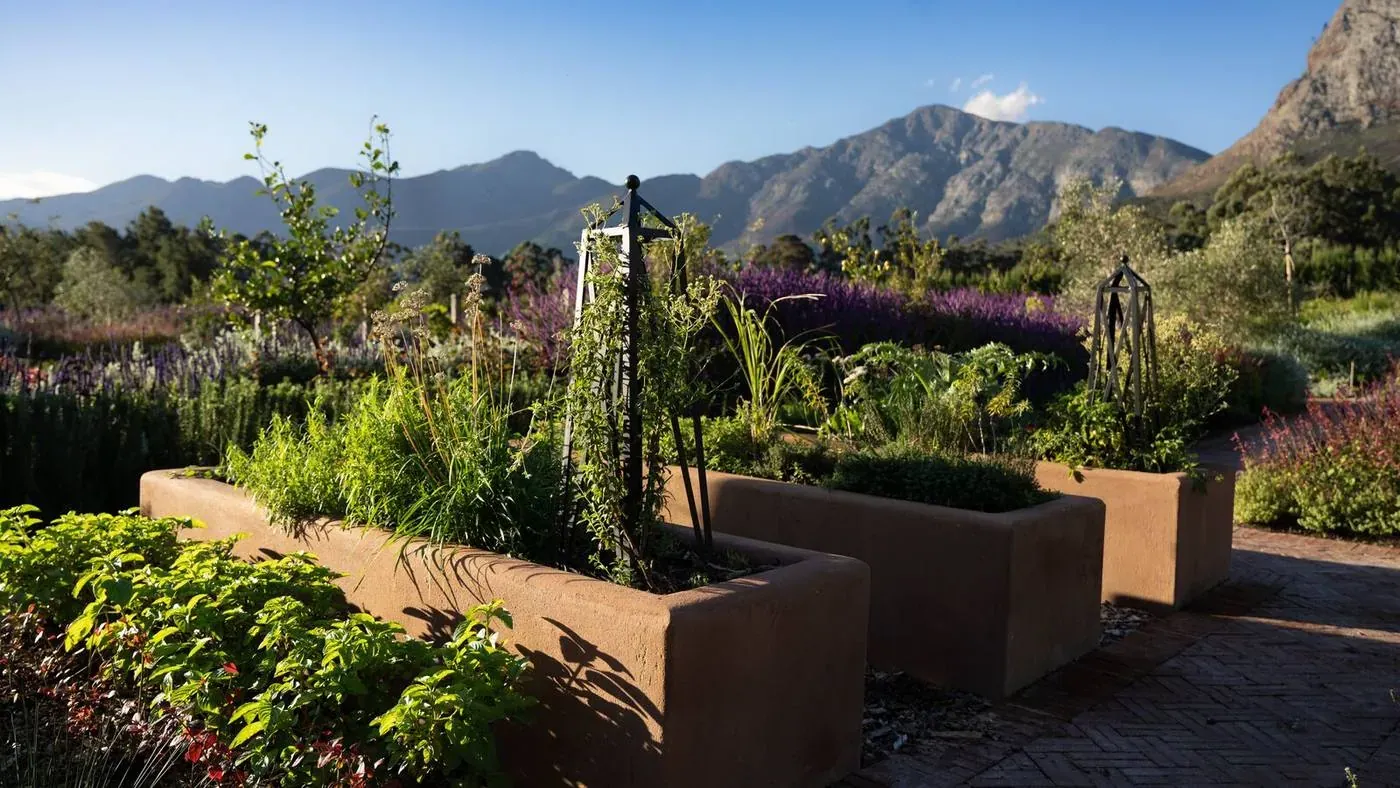
Planting is chosen for what it will do in five years, not for how it looks on the day of delivery. Species are grouped by water requirement so they can be irrigated honestly, selected for the aspect and soil they will actually occupy, and composed in mass and repetition rather than in variety for its own sake.
From stone selection to paving joints, we treat every material decision as an opportunity to express quality and cohesion. Joint widths, edge conditions, coping profiles, the junction between two surfaces — these separate a garden that ages well from one that looks tired in its third winter.
Deliverables are scaled to the project, but a full design package typically includes:
You own the design. If you build it with someone else, the documentation is complete enough for them to price and build from.
Design comes first, and is paid for as its own stage before construction is priced or committed. Pricing a garden without a design produces a number that means nothing; building without one produces decisions made on site by whoever is standing there.
The best time to bring us in is earlier than most clients expect — while the house is being designed, or before an existing garden is stripped. The cheapest changes are made on paper. Design then runs alongside construction: we stay involved to answer detail queries, review setting-out and confirm that what is going in is what was drawn.
No. We are a design and build studio and most clients use us for both, because a single line of accountability removes the argument about whether a problem is a design fault or a construction fault. But the design is yours, and we document it properly for tender either way.
It depends on scale and on how quickly decisions are made, and it is usually longer than clients budget for. We give a programme with the fee proposal; the biggest variable is turnaround on approvals.
Yes, and we prefer it. Where a project needs a registered professional in a discipline we do not hold — a landscape architect, a civil or structural engineer, a heritage practitioner — we say so and work alongside them.
Rarely. Mature trees, established structure and sound hard works are assets, and part of the analysis is deciding what is worth keeping. Removing a thirty-year-old tree to make room for a new one is a poor trade.
From our sites
Start a project